
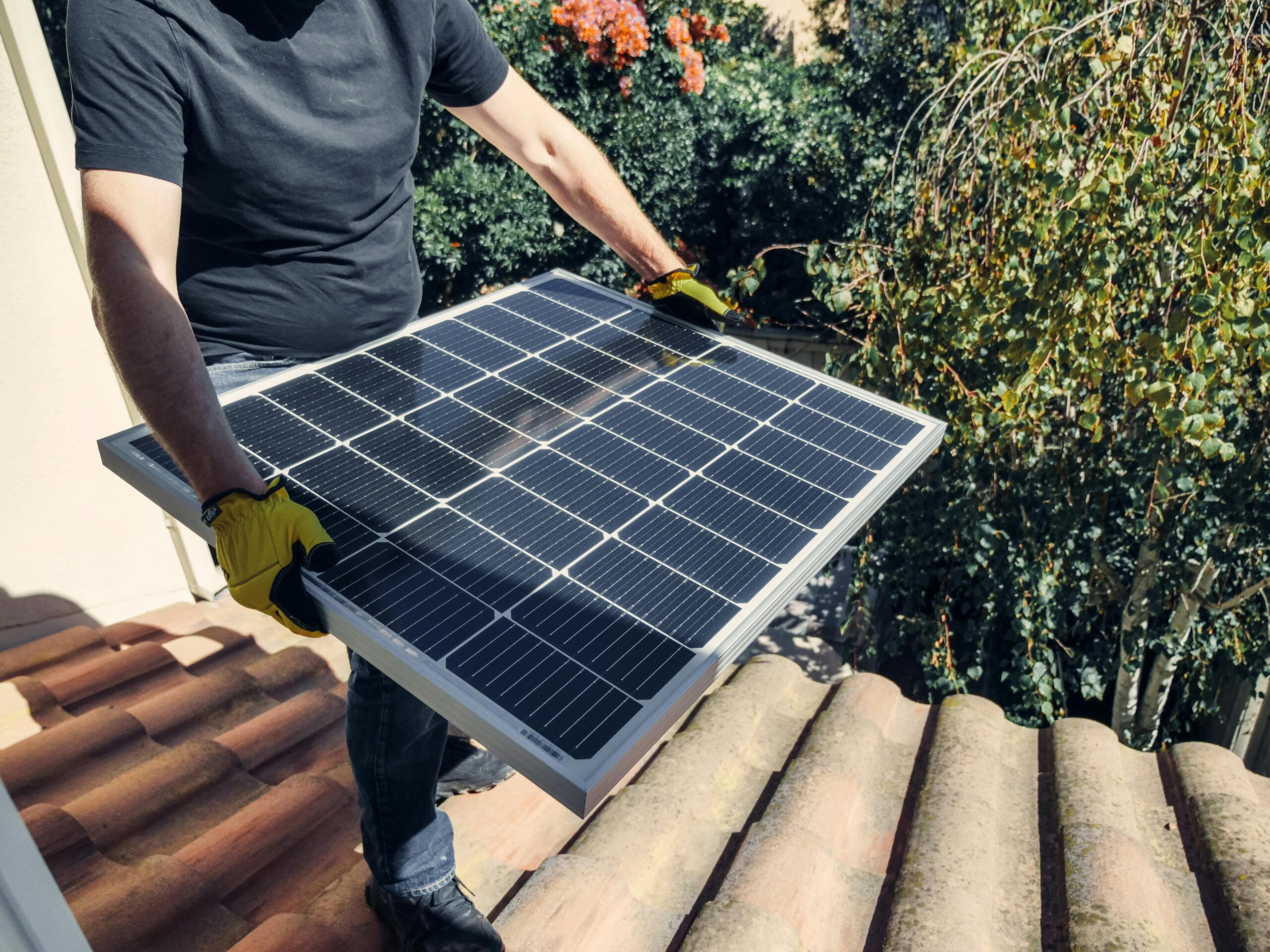
Solar energy has come a long way from simple rooftop panels. Over the past decade, it has inspired bold, imaginative ideas that are transforming how we power homes, transport, public spaces, and even the roads beneath our feet. As demand for clean energy accelerates, solar isn’t just evolving – it’s expanding into areas once thought impossible.
Solar Rooftops Are Just the Beginning
Rooftop solar remains one of the most effective ways to produce clean power, but innovation continues to push this technology forward. Homeowners can now choose solar tiles that blend effortlessly into traditional roof designs, while commercial buildings are experimenting with transparent photovoltaic glass. These advancements turn ordinary surfaces into sleek, integrated energy systems.
Every rooftop has the potential to become a power source, giving buildings a far more active role in energy production.
Solar Roads: Power Beneath Your Feet
One of the most imaginative developments in renewable energy is the concept of solar roadways. Engineers are designing durable photovoltaic surfaces that can be installed across roads, pavements, and car parks. These systems generate electricity while withstanding heavy use, making them a promising step toward energy-producing infrastructure.
Some prototypes go even further, featuring LED lighting for road markings and built-in heating to prevent ice in winter. Although still in early development, these projects hint at a future where transport networks contribute directly to clean energy generation.
From EV Charging to Street Lighting: Smarter Urban Spaces
Cities around the world are adopting solar energy to power essential infrastructure without increasing their carbon footprint. Solar-powered EV charging stations support the rapid growth of electric vehicles and reduce reliance on grid electricity. At the same time, solar streetlights are brightening roads, parks, and pathways with minimal installation effort and strong resilience during power outages.
Urban designers are also experimenting with solar benches, smart solar bins, and solar-equipped bus shelters – small touches that collectively make city life cleaner and more efficient.
Solar on the Move: Wearables, Gadgets & Portable Power
Renewable energy is becoming increasingly personal. Portable solar chargers, backpacks with integrated panels, and solar-powered wearables give people the freedom to recharge devices wherever they are. Companies are even developing solar fabrics and folding solar mats tailored for travellers, hikers, and off-grid adventurers.
These products make sustainability practical and accessible, fitting effortlessly into everyday life.
The Rise of Floating Solar Farms
Growing land pressures are encouraging innovators to look toward water for new opportunities. Floating solar farms, installed on reservoirs, lakes, and calm coastlines, are gaining global momentum. The water beneath the panels naturally cools them, boosting efficiency, while the shade they provide helps reduce evaporation – creating dual environmental benefits.
This approach offers an elegant solution for regions with limited open land.
Agrivoltaics: When Farming Meets Solar Innovation
In rural landscapes, solar energy is merging with agriculture in an approach known as agrivoltaics. Panels are mounted above crops to create filtered shade, helping plants thrive in intense heat while the same land generates electricity. Farmers benefit from improved yields in harsh weather, reduced water usage, and an additional revenue stream.
It’s a model that supports both food security and clean energy production.
Public Art Meets Renewable Energy
Not all solar projects focus solely on function – some are designed to inspire. Artists and engineers are collaborating on solar-powered sculptures, installations, and interactive public art pieces that light up or move using only the energy they capture. These creative works spark curiosity, start conversations, and help the public experience renewable energy in a fresh, engaging way.
Conclusion
Solar power is no longer limited to rooftops. It’s weaving its way into the design of roads, waterways, clothing, vehicles, and public spaces, proving that renewable energy can be both practical and imaginative. As technology advances, the boundaries of what’s possible continue to expand, offering a glimpse of a future where clean energy is seamlessly embedded in everyday life.