
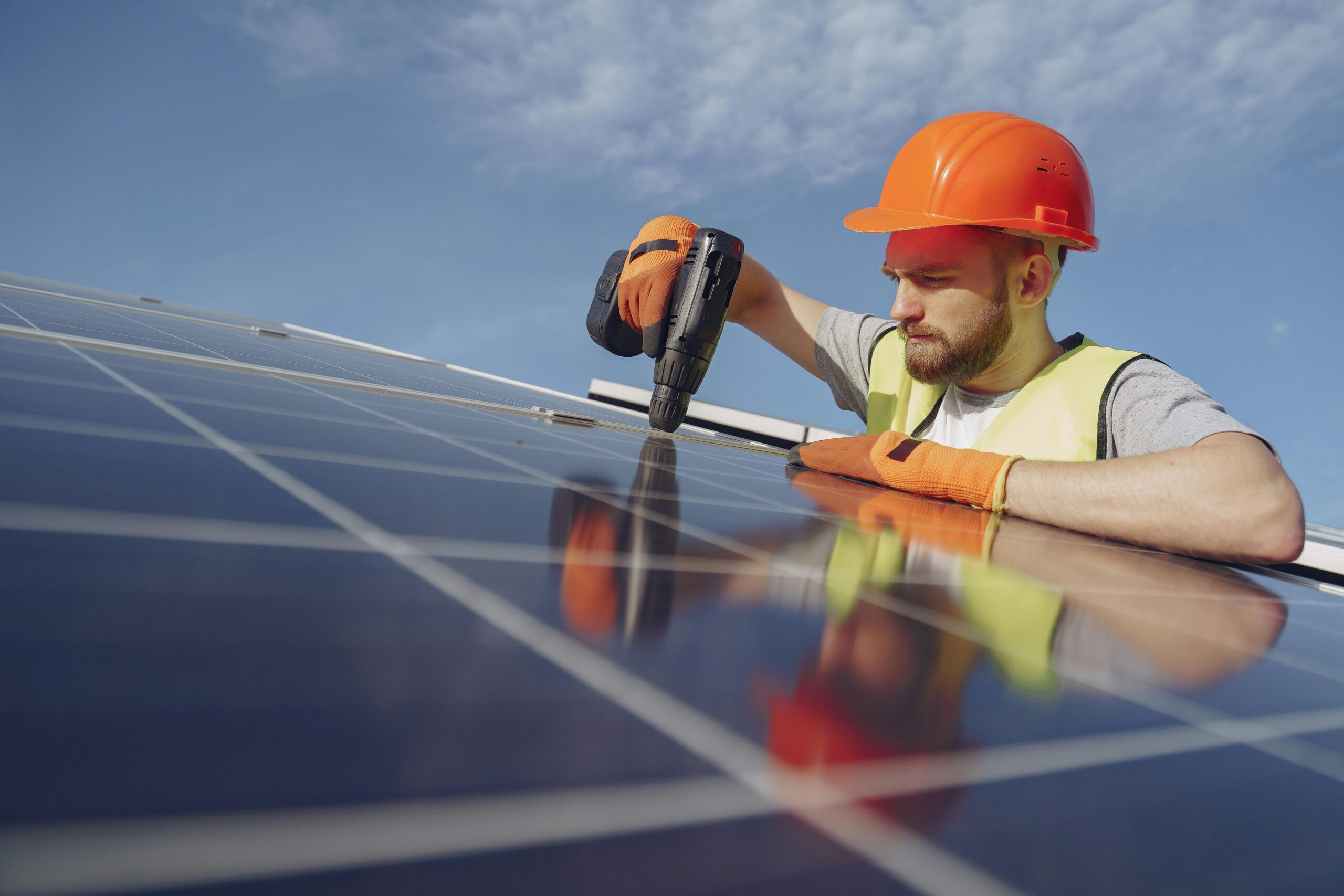
For UK manufacturers, energy is no longer just a utility; it’s a critical part of operational strategy. As costs rise and efficiency becomes a competitive differentiator, more businesses are looking beyond simple cost-cutting and asking a bigger question: how can energy work smarter within the production process?
This is where manufacturing solar is evolving. It’s no longer just about installing panels, it’s about integrating solar into the way your facility runs.
From Energy Supply to Energy Strategy
Traditionally, manufacturers have relied entirely on grid electricity, treating energy as a fixed and unavoidable expense. But solar is changing that mindset.
By generating power on-site, manufacturers can start aligning energy usage with production demands. Instead of passively consuming electricity, businesses can actively manage when and how energy is used across the facility.
This shift transforms energy from a cost centre into a controllable asset.
Matching Solar Generation with Production Cycles
One of the biggest advantages of solar in manufacturing is its ability to align with daytime operations. Many production lines, assembly processes, and machinery run during daylight hours, exactly when solar panels are generating electricity.
This opens the door to smarter scheduling.
Energy-intensive processes, such as machining, heating, or large-scale assembly, can be timed to coincide with peak solar generation. This reduces reliance on grid electricity during the most expensive periods and increases the proportion of self-generated power being used.
Over time, even small adjustments to production timing can lead to significant cost efficiencies.
The Role of Battery Storage and Load Management
Solar on its own is powerful but when combined with battery storage, it becomes a much more flexible tool.
Battery systems allow manufacturers to store excess energy generated during the day and use it later, whether that’s during evening shifts or peak pricing periods. This creates a more balanced and reliable energy supply.
In addition, load management systems can prioritise where energy is used in real time. For example, critical machinery can be prioritised during lower generation periods, while non-essential systems can be scaled back.
This level of control is particularly valuable in high-demand environments where energy use needs to be carefully managed.
Reducing Peak Demand Charges
Many manufacturers are not just paying for the energy they use, but also for when they use it. Peak demand charges based on the highest level of electricity drawn from the grid can significantly increase overall energy costs.
Solar can help offset these peaks.
By supplying power during high-demand periods, solar reduces the amount of electricity pulled from the grid at any one time. When paired with batteries, businesses can smooth out demand spikes even further.
The result is a more predictable and often lower energy bill structure.
Supporting Electrification of Manufacturing
As the UK moves towards decarbonisation, many manufacturers are beginning to electrify processes that were previously powered by gas or other fossil fuels.
This includes everything from heating systems to vehicle fleets and certain types of machinery.
Solar plays a key role in making this transition viable. By providing a renewable source of electricity on-site, it supports the shift towards cleaner operations without dramatically increasing energy costs.
For manufacturers planning long-term upgrades, solar can act as the foundation for a fully electrified, low-carbon facility.
Data-Driven Energy Optimisation
Modern solar systems don’t just generate power, they provide valuable data.
Manufacturers can track exactly how much energy is being produced, when it’s being used, and where efficiencies can be improved. This insight allows for continuous optimisation of both energy usage and production processes.
Over time, this data-driven approach can highlight opportunities to reduce waste, improve scheduling, and increase overall operational efficiency.
Planning for Integration
Successfully integrating solar into a manufacturing environment requires careful planning. It’s not just about system size, it’s about how that system interacts with your operations.
Key considerations include:
-
Current and future energy demand
-
Production schedules and peak usage times
-
Roof space or land availability
-
Opportunities for battery storage
-
Long-term expansion plans
A tailored approach ensures that solar doesn’t just sit on the roof, it actively supports how your business runs.
Final Thoughts
Manufacturing solar is entering a new phase. It’s no longer just a sustainability initiative or a way to cut costs, it’s a tool for operational improvement.
By integrating solar into production strategies, UK manufacturers can gain greater control over energy, improve efficiency, and build more resilient operations.
In an industry where margins and performance matter, smarter energy use isn’t just an advantage, it’s becoming essential.